
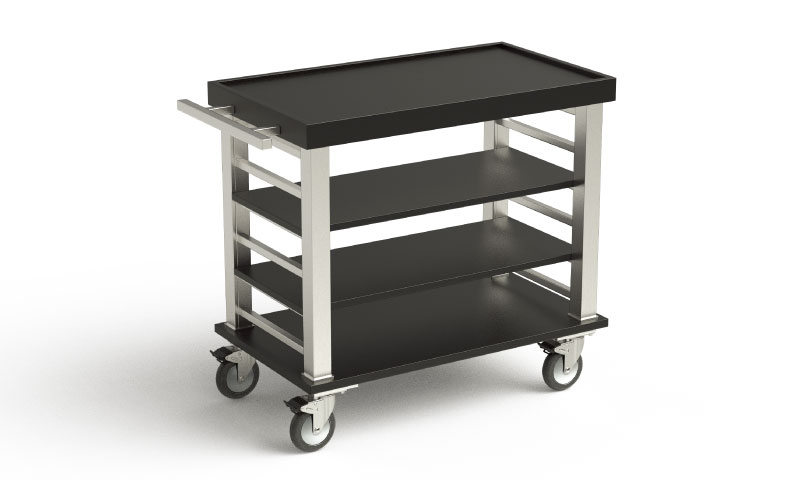
In hospitality, operational efficiency and visual presentation go hand in hand. A modern service trolley may appear to be a simple utility unit, but in reality, it plays a crucial role in service speed, team coordination, and brand perception.
If you’re evaluating options for your hotel, restaurant, or banquet facility, here are the key areas to consider.
Strength That Withstands Daily Commercial Use
Hospitality equipment is constantly in motion. From early breakfast service to late-night events, trolleys are exposed to weight, movement, and frequent cleaning.
A well-built structure with durable metal framing and solid shelving ensures long-term reliability. Strong materials prevent wobbling, bending, or surface damage over time — especially in high-volume properties.
When durability is built into the design, you reduce downtime and replacement frequency.
Ease of Movement Across Different Surfaces
Hotels and event venues feature a variety of flooring — marble lobbies, carpeted corridors, and wooden restaurant floors.
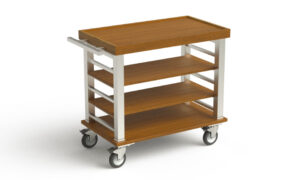
Your modern service trolley should glide smoothly without noise or resistance. Stable wheels and balanced weight distribution allow staff to maneuver easily, even in narrow passages or crowded banquet setups.
Smooth mobility improves workflow and minimizes staff strain.
Practical Shelf Design for Real Service Needs
Think beyond appearance — focus on usability.
Shelves should comfortably accommodate trays, beverage setups, or plated dishes without overcrowding. The spacing between levels should support quick access and efficient organization during service.
Well-planned shelf layouts allow staff to serve faster while maintaining presentation standards.
Design That Complements Your Interior Aesthetic
In modern hospitality, equipment is visible — especially during room service or live event setups.
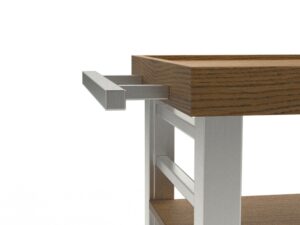
A modern service trolley with clean lines, refined finishes, and a balanced material combination blends naturally into contemporary interiors. Instead of looking purely functional, it becomes part of the design environment.
When service equipment aligns with your brand image, it enhances overall guest perception.
Versatility Across Multiple Operational Areas
Smart procurement decisions focus on flexibility.
A modern service trolley should support:
- In-room dining
- Banquet beverage service
- Corporate event catering
- Dessert displays
- Lobby activations
When one product adapts to multiple uses, it increases operational value without increasing inventory.
Staff Comfort and Ergonomic Consideration
An often-overlooked factor is staff usability.
The modern service trolley should be easy to push, stable while stationary, and comfortable to handle during long service hours. Ergonomic design reduces fatigue and supports smoother team performance — particularly during high-pressure events.
Happy staff deliver better service.
Maintenance and Cleaning Efficiency
Hospitality standards demand consistent cleanliness.
Choose surfaces that are easy to wipe down and resistant to stains or scratches. Materials that maintain their finish despite regular sanitization will look professional for years.
Low-maintenance equipment reduces operational hassle.
Long-Term Investment Value
Instead of focusing only on upfront cost, consider lifecycle value.
A modern service trolley that maintains its structure, appearance, and mobility over time offers better returns. Durable equipment reduces the need for frequent repairs and supports consistent service quality.
In B2B hospitality procurement, longevity equals smarter investment.
A modern service trolley is more than a support tool — it is part of your operational ecosystem. It influences how efficiently your team works and how refined your service presentation appears.
When selecting one, prioritize durability, smooth movement, practical design, versatility, and brand alignment.
The right choice quietly strengthens your daily operations — and in hospitality, that makes all the difference.
You can check out our blog “Motorized Maid Carts: The Future of Hotel Housekeeping Operations.”