
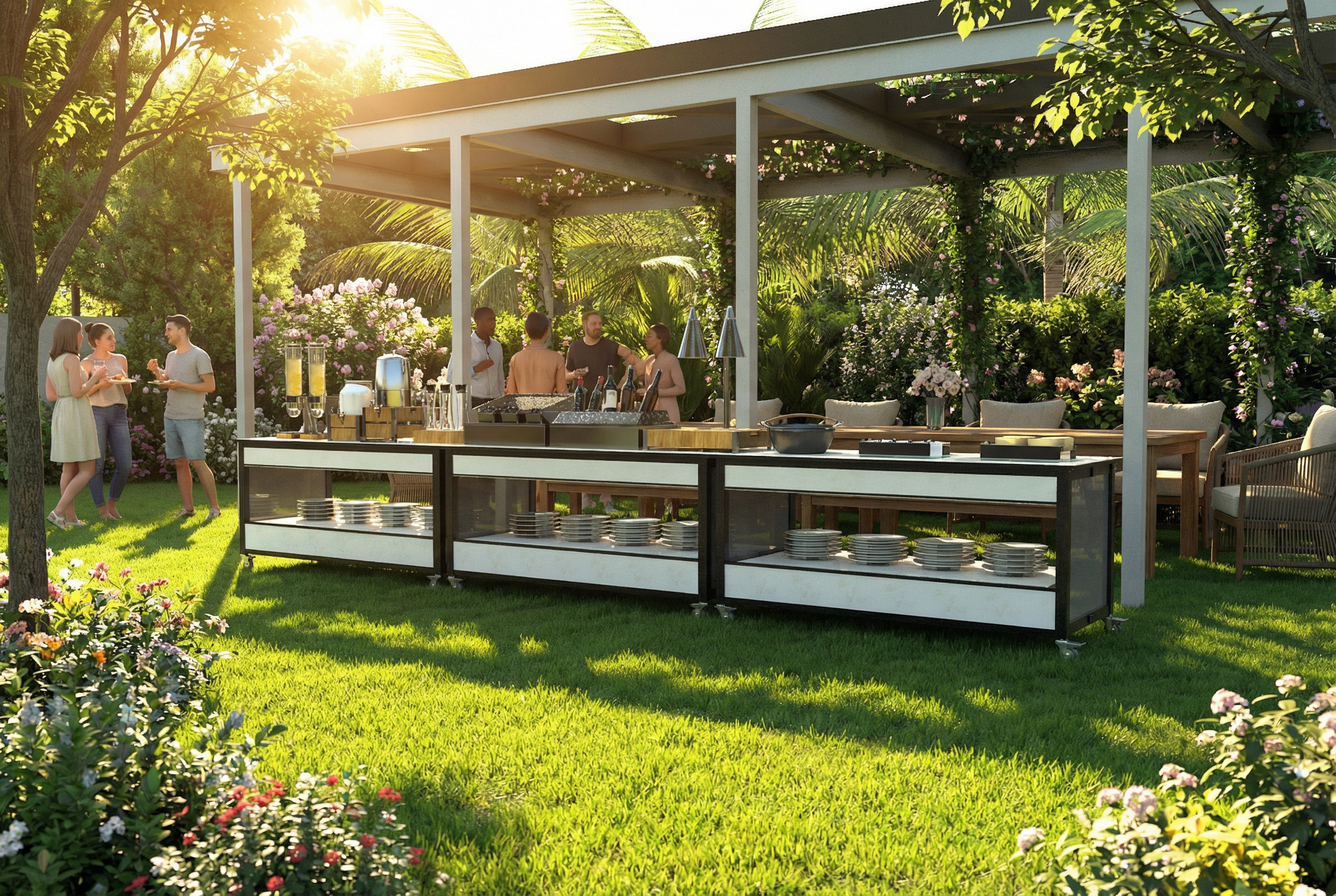
Buffet service has long been a defining feature of the hospitality industry, offering guests the opportunity to enjoy a variety of dishes in a relaxed and interactive setting. From hotel breakfast spreads to grand banquet receptions, buffets have remained a practical solution for serving large groups efficiently. Over time, however, buffet service has evolved significantly. In modern hospitality environments, buffets are no longer defined only by functionality; they are expected to deliver visual impact, operational efficiency, and adaptability that suit a wide range of events.
For hotels, resorts, and catering companies, buffet infrastructure has become an important part of the overall guest experience. The design of the buffet area, the movement of guests around service stations, and the presentation of food all contribute to how an event is perceived. As hospitality standards continue to rise, venues are investing in thoughtfully designed buffet furniture that supports both elegant presentation and efficient service operations.
From Traditional Buffets to Contemporary Service Stations
In earlier hospitality settings, buffets were typically arranged using large fixed tables covered with linen. While this approach was widely used, it offered limited flexibility. Rearranging layouts for different events often required significant effort, and transporting the equipment between spaces could be difficult.
As event formats became more dynamic, the hospitality industry began moving toward buffet systems that allow greater adaptability. Modern service environments require equipment that can be assembled quickly, repositioned easily, and stored efficiently when not in use. This shift has encouraged venues to adopt versatile buffet solutions such as modular tables and collapsible service stations that simplify the preparation process while maintaining a professional appearance.
In many contemporary setups, a folding buffet station plays a valuable role in creating flexible service areas. Its foldable structure allows catering teams to quickly establish a functional buffet layout, whether for an indoor banquet or an outdoor event. Because it can be relocated easily, the station helps hospitality teams adapt their service arrangement without disrupting the overall flow of the event.
Presentation as a Core Element of Buffet Design
Todays hospitality environment places strong emphasis on presentation. Guests increasingly expect buffet displays that are visually appealing and well organized, with furniture that complements the decor of the venue.
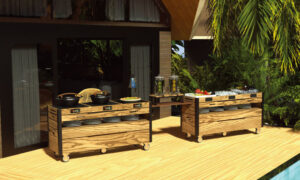
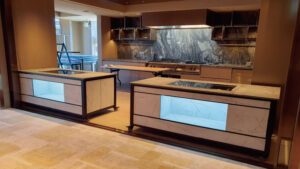
Modern buffet tables are therefore designed not only to support food service but also to contribute to the overall aesthetic of the space. Elegant structural forms, refined finishes, and carefully chosen materials help create buffet areas that feel polished and inviting. A well-designed Cross Buffet Table, for example, blends contemporary style with practical functionality, making it suitable for both formal banquets and casual dining events.
When buffet tables are thoughtfully arranged within a venue, they help guide guests naturally through the dining experience. The structure and layout of the buffet can influence movement, ensuring that service remains smooth even when large numbers of guests are present.
Flexibility for Modern Event Venues
Hospitality venues today often host multiple types of events within the same space. A ballroom might accommodate a conference luncheon during the day and a wedding reception in the evening. This constant transformation requires furniture that can adapt quickly to different layouts and service requirements.
Flexible buffet systems support this need for versatility. A folding buffet station allows staff to assemble service areas efficiently and reposition them as needed, making it particularly useful for venues that frequently change their event configurations. Its portability ensures that the buffet layout can be adjusted without extensive setup time.
Complementing these stations, tables such as the Cross Buffet Table provide a stable and visually refined surface for food presentation. Available in different shapes and sizes, they can be arranged in various configurations to suit both large-scale banquets and more intimate dining settings. This combination of flexibility and elegance helps venues maintain a professional atmosphere while adapting to diverse event formats.
Operational Efficiency Behind the Scenes
While guests enjoy the presentation of the buffet, hospitality teams must manage a complex set of logistical tasks behind the scenes. Transporting equipment, organizing service stations, and ensuring a smooth guest flow all require careful planning.
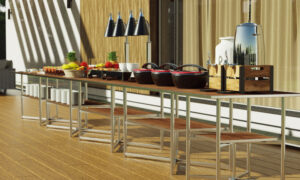
Modern buffet furniture supports these operational needs through lightweight construction and practical design. Foldable systems reduce the time required for setup and storage, while modular tables can be arranged quickly to suit the available space. A well-designed folding buffet station, for instance, allows catering teams to prepare a complete buffet area in a short time, helping them focus on service quality rather than equipment logistics.
Similarly, the structural design of the Cross Buffet Table ensures durability while maintaining a relatively light frame. When paired with transport carts, these tables can be moved easily between storage areas and event locations, further simplifying event preparation.
Advancements in Materials and Durability
The materials used in buffet infrastructure have also advanced significantly. Hospitality equipment must withstand frequent use while maintaining a clean and elegant appearance.
Modern buffet tables often incorporate aluminum honeycomb cores combined with high-pressure laminate surfaces. This construction technique creates a structure that is strong yet lightweight, making the furniture easier to handle while ensuring long-term durability. Surfaces designed to resist heat, moisture, and stains help maintain hygiene standards in busy food service environments.
These durable materials ensure that equipment such as the Cross Buffet Table retains its refined appearance even after years of use. At the same time, surfaces used in modern buffet stations remain easy to clean and maintain, supporting the operational requirements of professional catering.
Customization and Brand Identity
In contemporary hospitality design, every detail contributes to the visual identity of the venue. Buffet furniture is no exception. Hotels and event spaces often seek tables and service stations that complement their architectural style and interior décor.
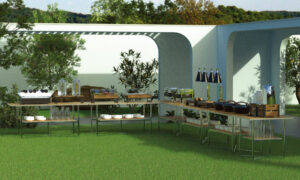
Customizable finishes allow buffet furniture to integrate seamlessly into a venues design language. A Cross Buffet Table can be configured with different surface finishes and structural details to match the surrounding environment, whether the setting is modern, classic, or minimalist.
Similarly, a folding buffet station can be adapted with various panel designs and tabletop materials, allowing hospitality operators to align the buffet presentation with the theme of the event or the brand identity of the venue.
Sustainability in Hospitality Equipment
Sustainability has become an increasingly important consideration within the hospitality industry. Many venues are now seeking equipment that supports environmentally responsible practices while maintaining high performance standards.
Durable buffet systems designed for long-term use help reduce waste and minimize the need for frequent replacements. High-quality furniture such as the Cross Buffet Table and a well-constructed folding buffet station provides long-lasting reliability, making them practical investments for hospitality operators focused on sustainability and operational efficiency.
Looking Toward the Future of Buffet Service
As hospitality trends continue to evolve, buffet service is becoming more interactive and experience-driven. Live cooking stations, chef demonstrations, and modular food displays are increasingly common in modern events.
Flexible buffet infrastructure plays a key role in supporting these trends. Adaptable solutions such as a folding buffet station provide a versatile platform for creative food presentations, while tables like the Cross Buffet Table offer elegant surfaces that enhance the visual appeal of the buffet layout.
Redefining the Modern Buffet Experience
The evolution of buffet service reflects the broader transformation of the hospitality industry. What was once a simple arrangement of serving tables has become a carefully designed experience that combines efficiency, aesthetics, and adaptability.
Modern buffet furniture now supports the complex needs of hotels, caterers, and event venues. Whether through the versatility of a folding buffet station or the refined presentation offered by a Cross Buffet Table, these solutions help hospitality professionals create dining environments that feel both practical and sophisticated.
In todays competitive hospitality landscape, buffet service is more than a way to serve food. It is an opportunity to create a memorable dining experience—one where thoughtful design, efficient operations, and elegant presentation come together to define modern hospitality.