
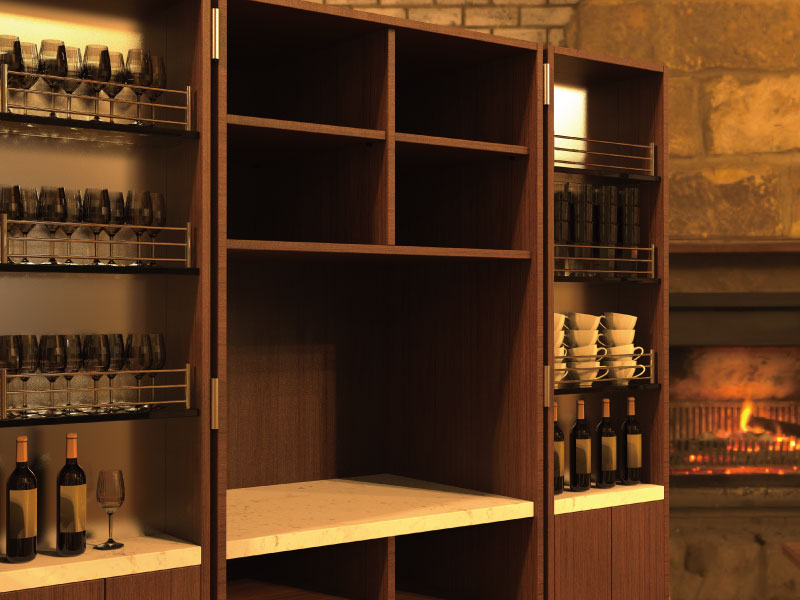
In modern hospitality environments, the back bar plays a far more important role than simple storage. It supports operational flow, enhances presentation, and contributes significantly to the overall guest experience. Whether positioned in a luxury hotel lobby, a banquet hall, a members’ lounge, or an upscale event venue, a well-designed back bar must combine structure, durability, and elegance in one cohesive unit.
Intelligent Storage That Supports Service Flow
Efficiency begins with organization. A well-designed back bar should feature clearly structured shelving, designated bottle sections, glassware compartments, and concealed areas for tools and accessories. When storage is thoughtfully segmented, service becomes faster and more streamlined. Bartenders can access essentials without disrupting workflow, and the bar area maintains a clean and professional appearance throughout service hours. Vertical storage solutions are especially valuable, as they maximize capacity without increasing floor footprint.
Ergonomic Design for Staff Convenience
Beyond storage, ergonomics play a crucial role in daily operations. A thoughtfully designed back bar should allow comfortable access to shelves, smooth door movement, and intuitive placement of frequently used items. Proper height proportions and balanced compartment depth reduce strain and improve workflow efficiency. When staff can operate seamlessly within the space, service becomes faster, more consistent, and more professional.
Commercial-Grade Materials for Lasting Performance
Durability is a defining characteristic of any professional back bar. Hospitality spaces demand materials that can withstand daily use, spills, moisture, and frequent cleaning. Engineered marble surfaces offer strength and visual appeal, while stainless steel framing ensures structural stability. Laminated MDF panels and mirror detailing add refinement while maintaining resilience. High-quality materials not only extend product lifespan but also reduce long-term maintenance concerns, making the back bar a dependable investment.
Secure Storage for Valuable Inventory
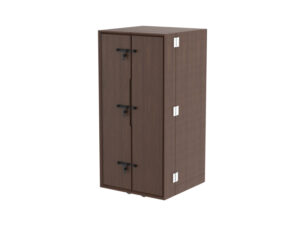
Security is essential in environments where premium liquor, specialty glassware, and bar accessories are stored. A well-designed back bar should include an integrated locking system and smooth swing-door mechanisms that protect contents when not in use. Secure doors maintain a neat exterior while safeguarding high-value items during off-hours or between events. This combination of safety and accessibility ensures that practicality never compromises aesthetics.
Display Integration That Elevates Ambience
The back bar is often one of the most visible elements of a bar setup. Beyond storage, it should function as a curated display space. Mirror panels create visual depth, while ambient lighting compatibility allows premium bottles and glassware to become part of the design narrative. Elegant finishes in wood tones or contemporary laminates help the structure blend seamlessly into its surroundings. When display and storage work together, the back bar enhances the atmosphere while maintaining order.
Adaptability Across Different Settings
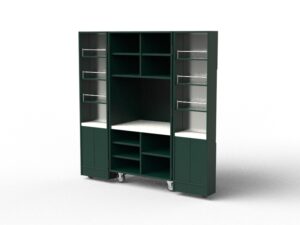
Flexibility is another key feature of a well-designed back bar. Hospitality spaces frequently evolve to accommodate different themes, layouts, and service formats. A tall cabinet structure with doors provides a compact yet spacious solution suitable for hotel lobbies, banquet spaces, and private lounges alike. Customizable finishes and modular configurations allow the unit to align with both modern and classic interiors. In event-driven environments, mobility options can further enhance functionality, enabling easy repositioning without sacrificing stability.
Mobility and Space Optimization
In dynamic hospitality environments, space utilization is critical. A well-designed back bar may incorporate discreet caster wheels or modular sections that allow repositioning when layouts change. Compact footprints combined with vertical expansion ensure maximum storage without overcrowding the space. This adaptability is particularly valuable in banquet halls and event venues where room configurations frequently shift.
Seamless Integration with Technology
Modern hospitality increasingly integrates technology into service areas. A forward-thinking back bar design allows for concealed wiring, compatibility with ambient lighting systems, and integration with POS-related equipment if required. Proper cable management and hidden utility compartments maintain a clutter-free appearance while supporting operational efficiency behind the scenes.
Ease of Maintenance and Cleaning
Hygiene and maintenance are crucial in professional hospitality settings. A well-designed back bar should feature smooth, easy-to-clean surfaces and finishes resistant to stains and moisture. Materials that withstand regular sanitization without losing their visual appeal are essential. Minimal crevices, durable coatings, and accessible compartments simplify daily cleaning routines, ensuring that the bar area remains pristine and compliant with operational standards.
Customization to Reflect Brand Identity
Every hospitality venue carries its own design language. A refined back bar should offer customizable finishes, textures, and structural options to align with the overall interior theme. Whether the aesthetic leans toward contemporary minimalism, classic elegance, or modern luxury, customization ensures visual harmony. The ability to select wood tones, laminates allows the back bar to act as both a functional asset and a design statement.
Long-Term Value and Investment Perspective
Beyond immediate functionality, a well-designed back bar represents a strategic long-term investment. High-quality craftsmanship, durable materials, and adaptable design reduce the need for frequent replacements or upgrades. Over time, this reliability contributes to consistent performance and cost efficiency. Choosing a thoughtfully engineered solution ensures that the back bar remains relevant and functional as operational demands evolve.
Precision Craftsmanship and Refined Detailing
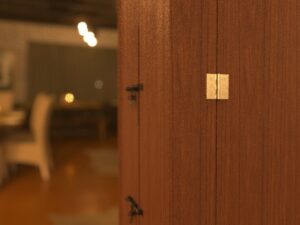
Attention to detail defines the difference between standard furniture and a high-performance hospitality solution. Smooth door alignment, balanced weight distribution, durable hinges, and precision finishing contribute to seamless operation. Every component should reflect thoughtful engineering, ensuring that the back bar performs reliably even during peak service periods. Craftsmanship not only affects functionality but also reinforces the perception of quality within the space.
A Contemporary Standard in Back Bar Design
A strong example of this balanced approach can be seen in the Back Bar by Movendis. Crafted in South Korea with precision engineering, it incorporates engineered marble, wood-grain laminated MDF, mirror accents, and stainless steel construction. Designed with multiple shelving configurations and a secure locking system, it reflects the evolving expectations of modern hospitality environments while maintaining a refined visual presence.
A well-designed back bar should do more than hold bottles and glassware. It should streamline service, protect valuable inventory, enhance visual presentation, integrate with modern operational needs, simplify maintenance, and adapt effortlessly to its environment. When structured storage, premium materials, integrated security, ergonomic planning, and elegant design come together, the back bar becomes an essential component of a sophisticated hospitality experience—supporting operational excellence, long-term value, and timeless style.
You can check out our blog “What Makes an Arche Service Trolley Different from Standard Trolleys?“